Why Are Sustainable Handbags More Expensive? Here's What You're Paying For
You stare at the price tag of eco friendly handbags, feeling that familiar pinch. You want to shop responsibly, but the steep cost stops you in your tracks. Look past the numbers and see exactly where your hard-earned cash goes before you make your next purchase.
Fast Fashion Vs. Reality: Why That $20 Bag Fails
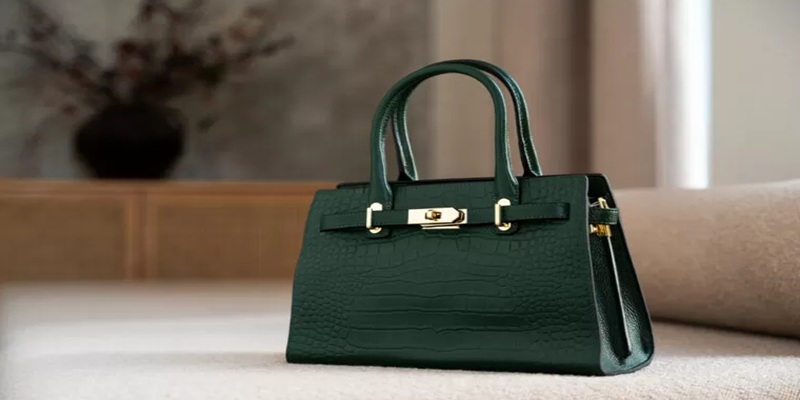
A cheap, mass-produced bag often shows clear signs of low-quality materials and production. Many use synthetic materials and strong adhesives, which can create a noticeable chemical smell. The surface is usually stiff and less flexible, and the finish may look overly shiny or uneven. Edges and stitching can also feel rough or poorly finished.
In contrast, better-made bags use higher-quality materials and more careful construction. The texture is typically smoother and more flexible, and the overall finish looks more consistent. These bags usually have little to no odor, and the stitching and edges are more refined. While they cost more upfront, they are generally more comfortable to use and last longer.
Beyond Plastic: Why Premium Vegan Leather Costs More
1. The Raw Material Divide: Plastic vs. Plant
The base cost of a handbag is dictated by its chemical or biological origin.
Mass-Produced Synthetics: Most budget "vegan" bags are made from PVC (Polyvinyl Chloride) or PU (Polyurethane). These are petroleum-derived plastics that are extruded on massive factory lines for minimal cost.
Premium Plant Leathers: These use organic waste from sources such as cactus leaves, pineapple husks (Piñatex), or apple peels.
The Labor: Creating these textiles requires manual harvesting (e.g., selecting mature cactus leaves without harming the plant), sun-drying for several days, and mechanical fiber extraction. This physically demanding work significantly raises the base price.
2. Tactile Differences: How to Spot Quality
The sensory experience of a bag is a direct indicator of its construction.
Feature |
Cheap Synthetic (PVC/PU) |
Premium Plant Leather |
Texture |
Stiff, rigid, or "plastic" feel |
Soft, porous, and flexible |
Drape |
Resists bending; feels "boxy" |
Drapes naturally over the shoulder |
Finish |
High-glare, artificial gloss |
Matte or satin; looks "real" |
Hardware |
Stitching may tear the plastic |
Fibers hold heavy brass hardware securely |
3. Sustainability and Longevity
The higher price tag reflects an investment in durability and environmental health.
Environmental Impact: According to the EPA, landfills receive millions of tons of textile waste annually, much of it non-biodegradable plastic. Petroleum bags often crack or peel within a year, becoming permanent waste.
Biodegradability: Premium plant leathers use organic binding agents and agricultural waste. By purchasing these, you fund the slow extraction of renewable fibers rather than the toxic pumping of fossil fuels.
4. Selection Tips: Buying Your First Premium Bag
The "Fold" Test: Gently bend a corner of the bag. If it shows white stress marks or feels like rigid plastic, it is likely low-quality PVC. Plant-based leather should crease and recover like animal hide.
Check the Grain: High-quality vegan leather has an irregular, natural-looking grain. Avoid bags with a perfectly repeating, "stamped" pattern, which often signals cheap, mass-produced goods.
Inquire About the "Binder": Even plant-based leathers often need a coating. Look for brands that use bio-based polyurethanes or recycled plastic coatings rather than virgin PVC to ensure the bag remains eco-friendly.
Maintenance: To extend the life of plant leather, keep it away from prolonged direct heat (which can dry out organic fibers) and clean it with a damp cloth rather than harsh chemical solvents.
You aren't just paying for a brand name; you are paying for the sun-drying process, skilled labor, and a material that won't crack and peel after a single season. Choosing plant-based leather is a shift from "disposable" fashion to long-term utility.
The Hands Behind The Stitching: Paying For Ethical Handbags
When you pick up a cheap bag from a fast fashion store, the human labor behind it is easy to overlook. An ethical handbag tells a different story—one of skilled, hands-on craftsmanship. Artisans hand-cut thick plant-based leather, carefully seal raw edges, and inspect every seam to ensure durability. Each step requires time, precision, and experience, resulting in a product that withstands daily use.
Paying for this level of craftsmanship means paying fair wages. Fast fashion often keeps prices low by relying on unsafe working conditions and underpaid labor, with many workers facing long hours and poor working conditions. In contrast, a sustainable handbag reflects ethical production: workers are fairly compensated and operate in safe conditions. The higher price is not just for the product itself, but for the time, skill, and care invested in making it last.
The Math Of Wear And Tear: Is a Sustainable Purse Worth It?
A simple cost-per-wear calculation shows why a higher upfront price can make sense.
A cheap $30 purse often wears out within a few months, peeling, cracking, or breaking, forcing repeated replacements. Over three years, you might buy around 10 of them, spending $300 on items that quickly end up in the trash.
Now compare that to a $200 well-made, ethical handbag. Spread over three years of daily use, the cost per wear drops to just pennies. Instead of deteriorating, quality materials age well, developing a natural patina while maintaining structure, comfort, and function. In the long run, investing in durability not only saves money but also delivers a better everyday experience.
Smart Buying Guide: How To Pick Reliable, Sustainable Handbags
When shopping for a sustainable handbag, ignore the marketing slogans and focus on the physical construction. A truly durable, eco-friendly bag reveals its quality through its weight, mechanics, and material transparency.
1. Hardware and Mechanics: The "Cold and Heavy" Rule
The quality of a bag's hardware is the first indicator of its lifespan.
The Metal Test: High-quality bags are made from solid brass or steel. These should feel heavy and cold to the touch.
The "Plastic" Red Flag: Avoid lightweight, hollow hardware. These are often plastic-coated in metallic paint, which chips and breaks quickly.
The Zipper Pull: Test the main opening. A reliable bag features a heavy-duty metal track. The zipper should glide smoothly without "stuttering" or catching on loose threads.
2. Interior Construction: The "Pinch" Test
The lining is often the first part of a bag to fail. It must withstand constant friction from keys, pens, and wallets.
What to Look For: Reach inside and pinch the lining. You want to feel a thick, tightly woven organic cotton canvas or recycled twill.
What to Avoid: Paper-thin polyester. If the lining feels flimsy or "crunchy," it will likely fray or tear within months.
3. Spotting Greenwashing: The "Hidden Tag" Strategy
Brands often use "greenwashing" by placing catchy slogans on cardboard hangtags. To find the truth, look at the permanent care label sewn inside the bag.
Verification: Look for exact percentages (e.g., "80% Apple Leather, 20% Organic Cotton").
The Red Flag: If the tag uses vague terms like "Vegan Materials" without specifying the source, the brand is likely hiding a high percentage of virgin plastic (PVC or PU).
4. Recommended Brands for Your Search
Stella McCartney: As a pioneer in sustainable luxury fashion, they use innovative, high-grade plant-based materials and heavy-duty metal hardware that set the industry benchmark for durability.
FREITAG: Renowned for their "upcycled" philosophy, these bags are cut from used truck tarpaulins and seatbelts, offering nearly indestructible mechanical strength and a unique, industrial aesthetic.
Bellroy: This B Corp-certified brand focuses on "long-term utility" by using premium recycled fabrics and robust, reinforced stitching that withstands years of daily wear and tear.
Practical Selection Tips
Establish a Baseline: Visit a store that carries high-quality alternative-leather brands, such as Stella McCartney. Even if it is outside your budget, feeling the weight and texture of these products gives you a physical benchmark to compare against more affordable options.
The "Seam Stress" Test: Gently tug where the handles meet the bag's body. Look for "reinforcement stitching" (usually an 'X' pattern or extra rows of thread). If the handles are supported by only a single line of stitches, they may detach under the weight of your daily essentials.
Odency Check: Give the bag a quick "sniff test." Premium plant-based leathers often have a neutral or slightly earthy scent. A strong chemical or "gasoline" smell indicates high levels of toxic PVC.
Real durability is physical. By inspecting the hardware, lining, and internal labels, you ensure your money is spent on craftsmanship rather than clever advertising.
Investment Over Consumption
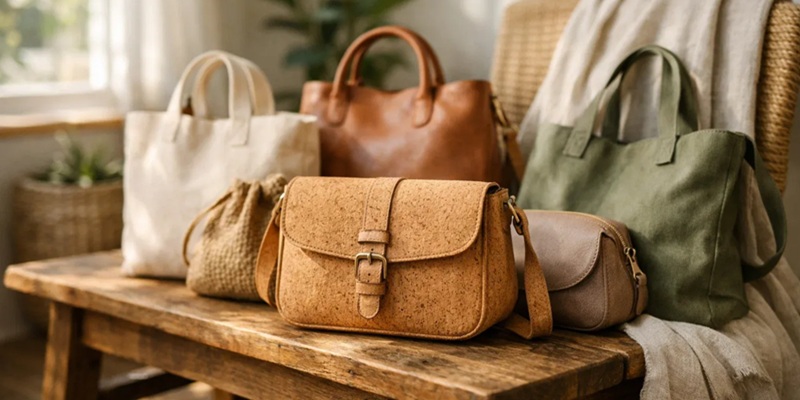
Paying a higher price upfront for a well-made bag allows you to buy fewer, better things over your lifetime. A single, solidly constructed vegan leather purse will outlast a dozen cheap alternatives that peel and crack after a few weeks in the sun. The next time you shop for a bag, do not just look at the price tag. Unzip the main compartment, firmly pinch the inner fabric, feel the cold weight of the buckles, and read the small white label sewn inside. Your hands will tell you everything you need to know.
References
Related Posts
Mastering Men Casual Outfits Your Ultimate Guide to Stylish Everyday Looks
How to Buy a Real Ethical Engagement Ring (Without Getting Fooled)
Best Sustainable Tote Bags: Chic, Practical, And Eco Friendly Picks
Eco-Friendly Fabric: How To Wash And Maintain Clothes Sustainably
How To Spot Greenwashing In Fashion Ads Before You Waste Your Money